
Home / FEMA P-361 & ICC 500
Standards explainedFEMA P-361 & ICC 500 Storm Shelter Standards
What the two documents behind every tested tornado shelter actually require — in plain English.
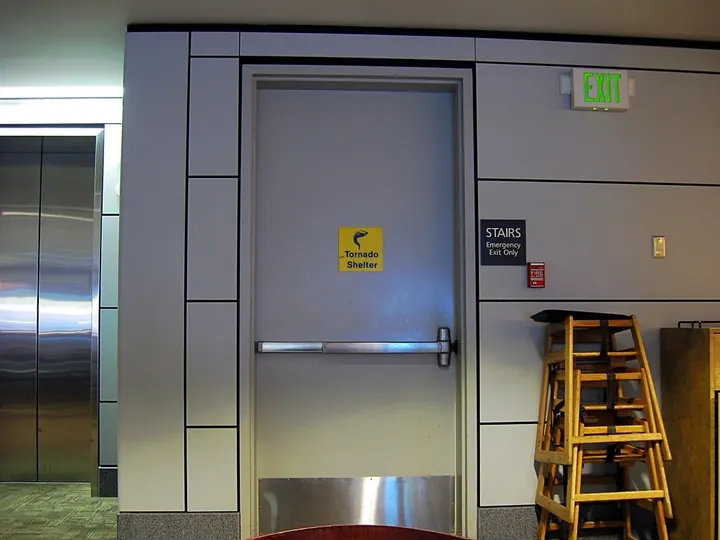
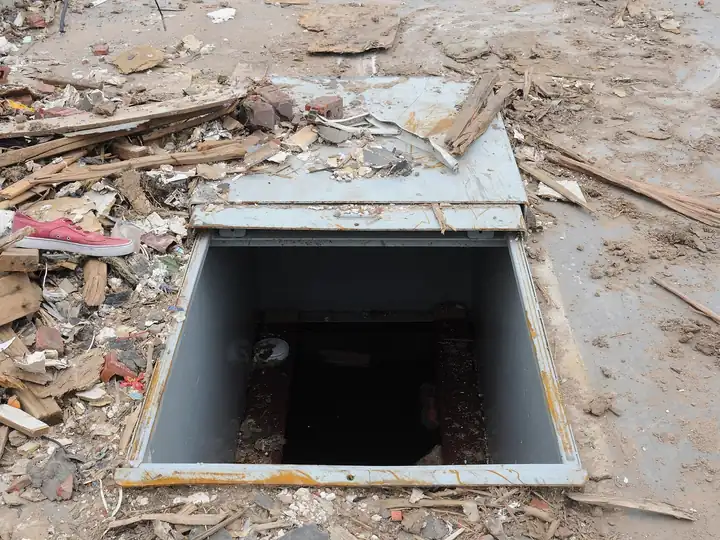
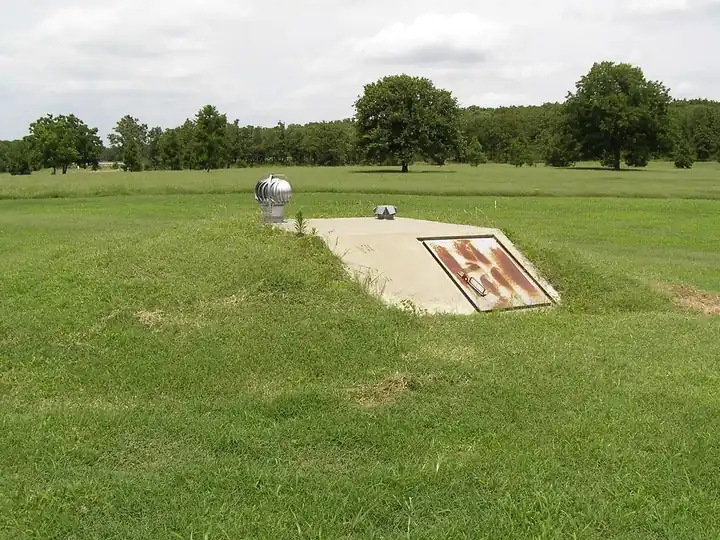
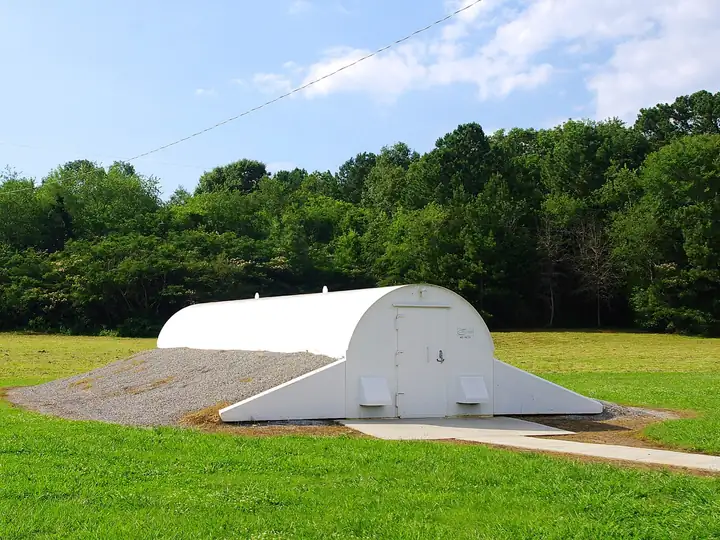
Two documents define a real tornado shelter
ICC 500 is the ICC/NSSA Standard for the Design and Construction of Storm Shelters, referenced by the building codes. FEMA P-361, Safe Rooms for Tornadoes and Hurricanes, is FEMA’s guidance for safe rooms and builds on ICC 500 with additional criteria (FEMA P-361, Safe Rooms for Tornadoes and Hurricanes).
For homeowners, FEMA also publishes FEMA P-320, Taking Shelter from the Storm, a guide to building or installing a safe room for your home (FEMA — safe rooms).
The five things a shelter must get right
Wind loads
Walls, roof, door and anchors are designed for extreme tornado winds; FEMA-funded residential safe rooms use 250 mph (FEMA P-361).
Debris impact
The shell and door must stop wind-borne debris — tested by firing a 15-lb 2×4 at the shelter.
Doors & hardware
Doors, hinges and latches are tested as an assembly, not just the panel.
Anchoring
Above-ground units must be anchored to a slab that can carry the loads; in-ground units are secured against uplift and buoyancy.
Space & air
Minimum floor area per person and ventilation openings (ICC 500).
Five questions to ask any shelter seller
A good seller answers these on paper.
- Which ICC 500 / FEMA P-361 tests has this exact model passed?
- Is the door assembly tested with its hardware?
- What anchoring and slab does the test require?
- How many people is it rated for at 3 sq ft each?
- Who handles the permit and inspection?
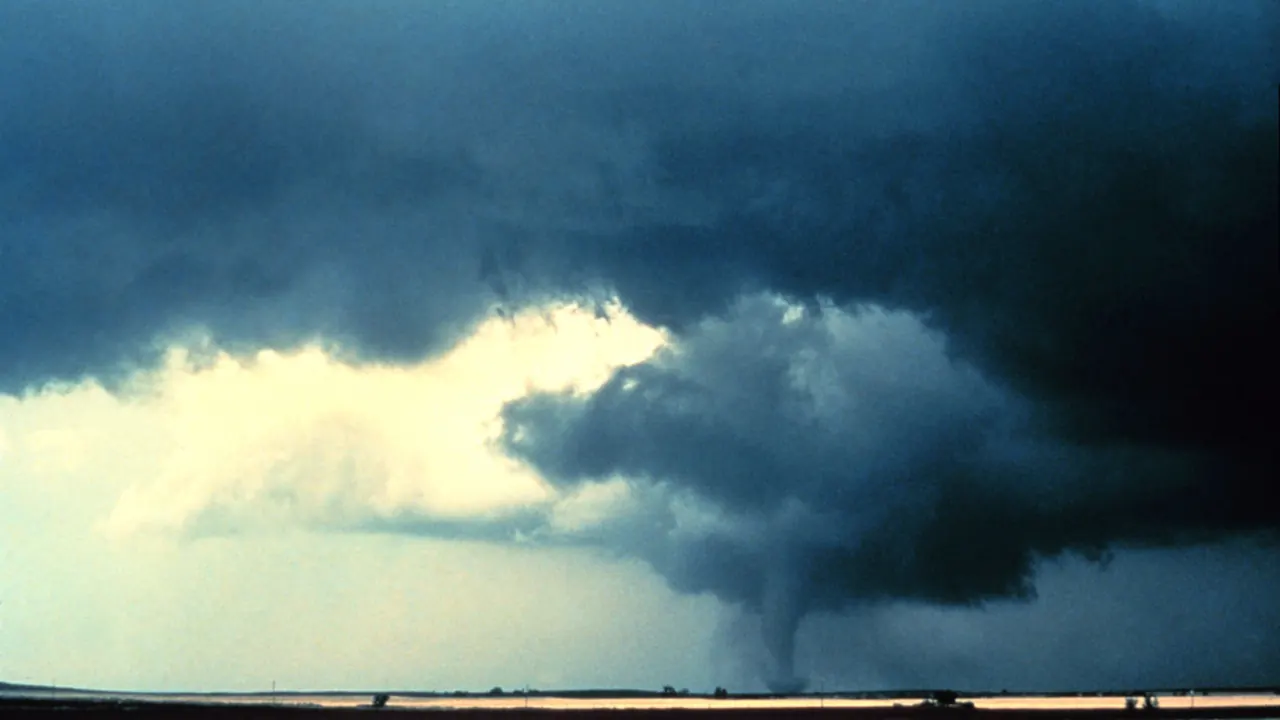
Shelters with the paperwork to back them up
Free quote — tested models, sized for your family.
Why Terre Haute families add a shelter
Tornadoes are a real part of life in west-central Indiana. The numbers below come straight from the National Weather Service.
22 a year
Indiana averages 22 tornadoes per year (NWS Indianapolis).
88 in 2026
2026 set Indiana’s single-year record: 88 tornadoes through September 10, including a record 58 in June (NWS Indianapolis).
EF-3 in Sullivan
On March 31, 2023 an EF-3 tornado with estimated peak winds of 155 mph struck Sullivan, about 25 miles south of Terre Haute (NWS Indianapolis).
Over 1,000 in the U.S.
The United States averages more than 1,000 tornadoes a year — more than any other country (NOAA NCEI).
Shelter standards FAQ
What do FEMA P-361 and ICC 500 mean?
ICC 500 is the building-code standard for storm shelters; FEMA P-361 is FEMA’s guidance for safe rooms, and FEMA requires FEMA-funded residential safe rooms to be designed for a 250 mph tornado wind speed (FEMA P-361, Safe Rooms for Tornadoes and Hurricanes). Ask for the manufacturer’s ICC 500 / FEMA P-361 documentation before you buy.
What is the difference between a shelter and a safe room?
“Storm shelter” is the term ICC 500 uses; “safe room” is FEMA’s term for a shelter that meets the stricter FEMA P-361 criteria. In everyday use the words overlap.
What wind speed are tornado safe rooms designed for?
FEMA requires FEMA-funded residential safe rooms to be designed for tornado loads based on a 250 mph design wind speed (FEMA P-361, Safe Rooms for Tornadoes and Hurricanes).
Who checks that a shelter meets the standard?
Manufacturers have products tested; the National Storm Shelter Association verifies compliance with ICC 500 for its members (NSSA). Ask for the test report for the exact model.
Get your storm shelter quote in Terre Haute & the Wabash Valley
Tell us about your home, your garage or yard and how many people the shelter needs to hold. We follow up to talk through shelter options, a realistic budget and install timing.
- Share the basics — home, garage or yard, household size, timing.
- Get a call back — to talk through in-ground vs. above-ground.
- Plan the install — site check, permit and a written proposal.